

 By Grace Okwisa and Anja Bruschweiler
How a Kenyan plumber turned social entrepreneur is transforming community health and challenging expectations
The first time Gloria Nduku Mutua picked up a plumber’s wrench, people were shocked. Some even laughed. “They said, ‘A woman in overalls with a wrench?’” she recalls. But Gloria wasn’t trying to make a statement. She simply needed a skill that could earn her a living. What she found instead was something far greater: a close-up view of the daily realities of poor sanitation, and a growing determination to do something about it.
Moving from house to house, she began to notice the same patterns. “People didn’t always understand how hygiene was linked to health,” she says. “I saw dirty hands, uncovered food, and sickness that never seemed to end.” That experience would shape everything that followed.
From Pipes to Public Health
As her work expanded, Gloria took on a new role as a sanitation marketer and community outreach officer with FINISH Mondial, a Dutch-led sanitation programme. Inside people’s homes, listening to their concerns, she saw how deeply sanitation challenges affected daily life, especially for women and children.
“Poor sanitation affects everyone, but it hits women and children the hardest,” Gloria explains. “Children fall sick easily, missing school, and sometimes losing their lives. Women suffer in silence, managing menstruation without privacy or avoiding toilets at night out of fear.”
The scale of the problem is significant. In Kenya, poor sanitation drains an estimated KES 27 billion (USD 324 million) from the economy each year through healthcare costs, lost productivity, and environmental damage. Diarrhoeal disease remains one of the leading killers of children under five.
But despite her efforts to raise awareness, Gloria began to realise that knowledge alone was not enough. Even when families built toilets, illness still persisted. The missing link was often simple. “Even with toilets, if there’s no soap, health risks remain,” she says. “Many people didn’t have easy access to affordable hygiene products. That’s when I saw a practical way to help improve health in the community.”
From Soap to Social Impact
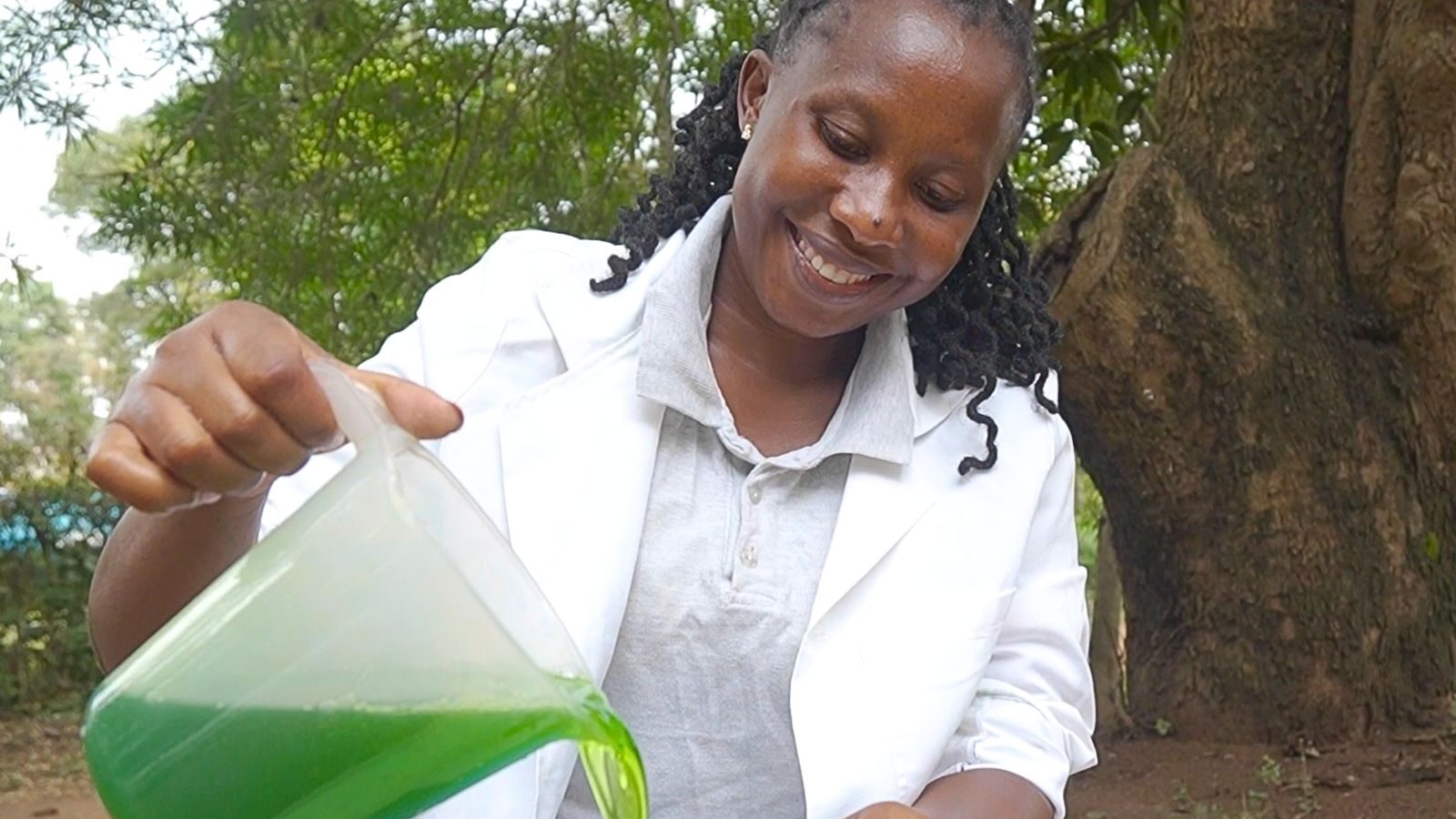
Using her savings and a few basic materials, Gloria took the next step, building on her work in sanitation to start producing soap herself. She began at home, stirring thick mixtures by hand, borrowing space to dry the bars, and selling them door to door.
Orders came in slowly at first, and with them came new challenges: managing supplies, keeping track of income and expenses, and figuring out how to grow beyond small, informal sales. “I wasn’t really prepared to run a business,” she says frankly.
Support came through FINISH Mondial, which encouraged her to join an entrepreneurship training programme. There, she learned how to manage her finances, market her products, and organise her work more effectively. “Before the training, I was just guessing,” she admits. “Now I understand my numbers, and I can plan for growth instead of leaving things to chance.”
Today, her soap business has become part of everyday life in several communities. She supplies households, promotes hygiene, and has started training other women who want to earn an income of their own. Her tools have changed, from wrench to soap, but her goal has remained the same: improving health at the household level.
“I’ve learned that with determination, I can overcome challenges and make a real difference,” she says. Returning to homes she once visited as a plumber is a reminder of that progress. “Seeing families healthier and more aware of hygiene shows that the work is making a real difference. It motivates me to keep going.”
She now hopes to expand further, reaching more households, creating jobs, and continuing to improve access to basic hygiene products. Her advice to other women is simple: “Believe in yourself and don’t be afraid to start. Challenges will come, but persistence pays off.”